Before sunrise on a January morning in Leicester, the phone starts lighting up. Kitchens that ran fine the night before now refuse to deliver a drop. Combi boilers display fault codes. A loft tank creaks in the cold, then gives way with the sort of thud every homeowner dreads. Frozen pipes do not announce themselves politely. They apply pressure from inside the line, then pick the weakest joint or elbow and turn it into a fountain.
If you have woken up to this, you are not alone. Across Clarendon Park and Belgrave, from terraced houses off Narborough Road to semis in Evington and Hamilton, emergency plumbers see the same pattern when temperatures dip below zero for a sustained stretch. The systems that are perfectly adequate most of the year reveal their winter weak points. Some of those weaknesses are at installation, others come from age, and a few are just physics meeting British weather.
This guide draws on years of callouts in and around Leicester, from tight Victorian cellars to sprawling garage lofts in Oadby and Wigston. It explains what freezing does to a plumbing system, how to act in the first hour, what a capable emergency plumber Leicester team will do on arrival, and how to make sure you are not calling again next winter. It also touches the gray areas no one loves to talk about: cost versus value, which jobs need a Gas Safe registered engineer, and where prevention pays off.
Why frozen pipes hit Leicester homes hard
Leicester sits in a relatively mild part of the UK, but the swings are the problem. After a week of borderline freezing nights, the city sometimes gets a sharp cold snap. That first bitter night after a few days of nothing much is when lines freeze. Many homes have pipework in lofts that are just cold enough, garages that are almost outdoors, or boxings on outside walls with a fraction too little insulation. In a terrace, the kitchen sink sits under a window on an external wall with a fair bit of void behind the back of the cabinet. In properties built during the 60s and 70s, you often find long runs of copper through unheated voids or airing cupboards that were once toasty when a hot water cylinder was in service. When those cylinders are removed for a combi conversion, the space no longer warms the void, but the pipework remains.
There is also the British gas boiler quirk: the condensate pipe. Modern condensing boilers remove latent heat and drain acidic condensate through a plastic pipe. If that pipe runs outside, and if it is too small or not insulated, it freezes quickly. The result is a boiler lockout and the impression that the whole heating system has failed, when in reality the boiler is protecting itself from a blocked drain.
Frozen pipes create a chain of risks. Ice expands inside the pipe. Water that cannot move creates a pressure spike. Somewhere in your system you have an elbow, a compression fitting, a plastic push-fit that was not quite seated, or a solder joint that looks good but never wet-tested at high pressure. That spot will go. When it thaws, water escapes, and if you are unlucky, you get a burst in a ceiling void that drips across a room, down light fittings, and into carpets. That is where emergency plumbers earn their keep: swift isolation, controlled drain down, safe electrics, targeted plumbing repairs, and a plan for drying.
First hour: actions that limit damage
In plumbing emergencies, the first decisions matter. Here is the short checklist I give to customers on the phone while the van is en route.
- Find and test your stopcock. Turn it clockwise to close. If the valve has not moved in years, do not force it with a wrench. Use moderate hand pressure and back off if it resists to avoid snapping the spindle. Kill power to affected circuits if water is near electrics. At the consumer unit, switch off the MCB for the area below any visible leak. If water has entered a light fitting, leave it off and post a note so no one flips it back on. Open the cold taps at the lowest point in the house. A utility sink or ground floor bath tap is ideal. This relieves pressure in frozen or compromised lines. If you suspect the boiler condensate is frozen, turn the boiler off at the control panel. Do not repeatedly reset a faulting boiler. Allow safe thawing first. Move valuables and soft furnishings out from under any drip lines. Buckets and towels are fine, but do not pierce a bulging ceiling. Control the situation and wait for a professional assessment.
Those five steps buy time and reduce the scale of post-repair drying. They also give an emergency plumber a cleaner start when they arrive.
What a capable emergency plumber brings to a frozen pipe call
You should expect more than a pipe fix. A trusted plumber Leicester residents return to year after year will arrive with an approach. The job begins with locating the freeze, not guessing at it. I carry a few tools that speed this up:
- A contact thermometer and thermal imaging camera help identify cold sections and concealed voids. In a loft, a quick scan shows where lagging is thin and where wind washing through eaves has chilled pipe runs. A pressure gauge tapped into a drain cock or washing machine valve shows whether the system is holding or if pressure decay indicates a hidden leak. Moisture meters map damp patches in ceilings and walls, which helps decide whether to cut an access hatch or wait and dry in place. A safe thawing kit. This is not a blowtorch. Depending on the material, we use warm towels, low-wattage heat pads, warm air, and space heaters with clearances and timers. For plastic pipes, I use gentle, distributed heat. For copper, I may use a controlled electric pipe thawer, but only where safe, never near combustible materials or old insulation. Isolation tools and fittings. Speed matters. If a section is compromised, I want to isolate, cap, and refeed the rest of the property quickly so you can have partial service while we plan a permanent fix.
On arrival, I confirm the main and secondary isolation points. Many Leicester homes have a water meter in the pavement with an external stop tap and a second valve inside near the kitchen. If the internal valve has seized, the external stop tap might be the only option. After isolating, I check the condensate first if the complaint started with a boiler fault. A frozen condensate trap is a fifteen minute solution, not a full boiler repair, and there is no sense tearing into pipework if heat can be restored quickly.
When we identify the frozen section, we map the layout. In a terrace, the kitchen sink run often travels behind cabinets along an external wall. In newer estates around Hamilton and Thurmaston, you may find plastic PEX-Al-PEX in stud walls to the cloakroom, with the vulnerable point at a poorly lagged garage run. Loft tanks in older properties around Aylestone and Highfields need special attention. A frozen cold feed can crack a tank seam or snap a ballcock arm. If the tank has failed, we have to drain down safely, protect ceilings, and sometimes cut an access slot to relieve water pooled above plasterboard.
Condensate pipes and the boiler that will not fire
A large share of winter calls that start with no heating trace back to condensate. If your boiler shows a code that suggests flame failure or blocked condensate, check where the small plastic drain leaves the boiler. Many installations route this into the waste pipe under the kitchen sink. That is good practice because it keeps the run inside. Others send it outside to a small pipe that disappears into a drain. If you can see icicles on that pipe or hear water sloshing in it, you likely have a freeze.
If you are confident and conditions are safe, you can sometimes resolve this without a callout. Warm the external section with hot towels or a hot water bottle. Do not pour boiling water over joints or render. Do not use a heat gun near UPVC. Gently thaw until you see a small surge of water into the drain, then reset the boiler. If it locks out again immediately, stop and call. Gas appliances must be handled by a Gas Safe registered engineer. A member of a Leicester plumbing and heating company with the correct registration can verify that the trap has cleared, check the flue is not obstructed, and ensure the appliance is safe to run.
When we get calls about repeated condensate freezes, I look beyond the quick fix. The British guidance is clear: increase the external condensate pipe to 32 mm, keep runs as short as possible, fall continuously to the drain at 45 mm per metre where feasible, and insulate thoroughly. Where space allows, I prefer to reroute the line internally to a soil stack or kitchen waste. Trace heating with a thermostat is an option for exposed runs, especially in properties where routing inside is impractical.
Thawing techniques that work without creating bigger problems
Thawing is as much about pacing as it is about heat. Pipes freeze in more than one place. You warm one section and water starts to move, but the next bend still holds ice. If you rush it, pressure climbs and a weak joint gives way. Work from the tap backwards toward the supply. Keep the lowest cold tap open to let meltwater escape. Gentle, steady heat is the theme.
Hairdryers on a low to moderate setting work for accessible copper. A small fan heater several feet away can take the chill out of a cupboard or loft section if you guard combustibles. Warm towels rotated from a pot of hot water is an old trick that still works. Do not use open flames. There is no burst worth the insurance claim that follows a scorched joist.
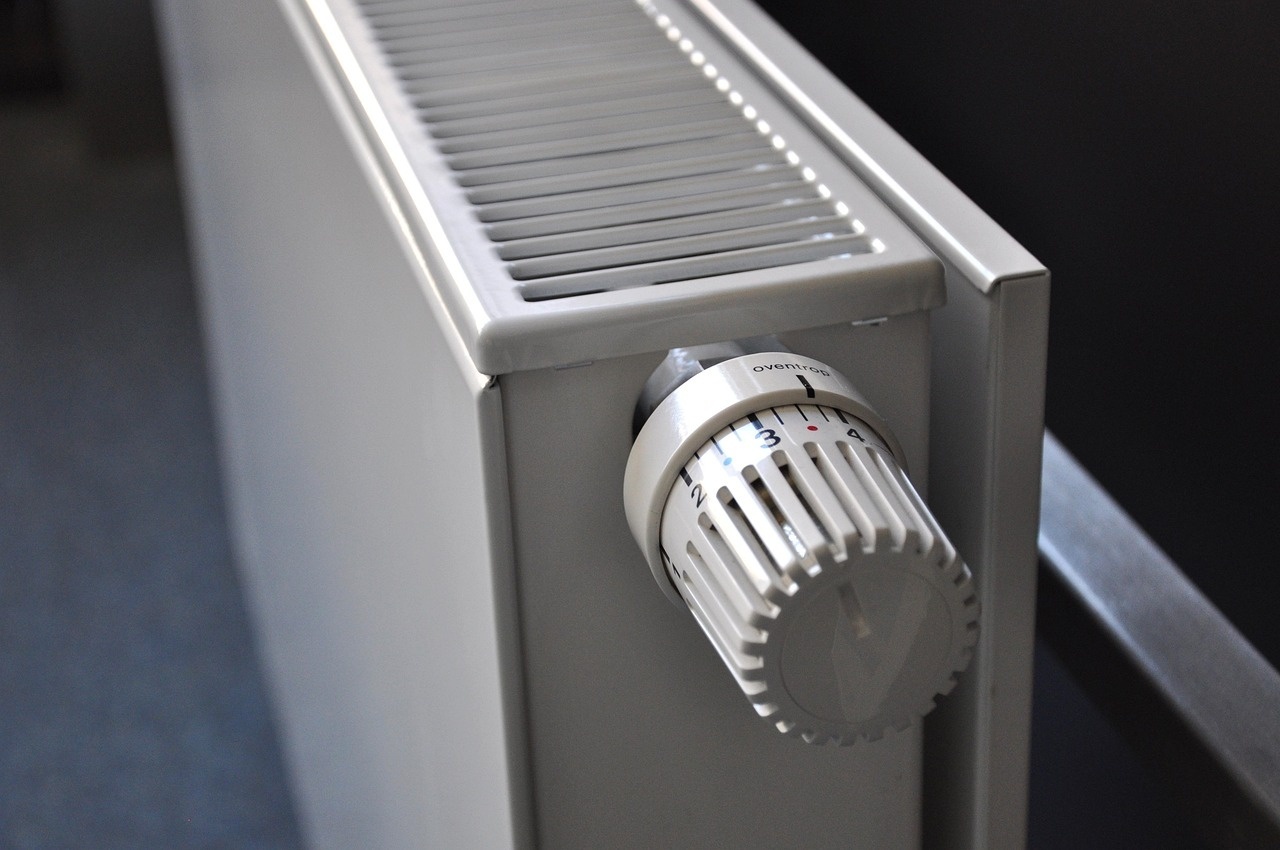
For plastic push-fit, be careful. Excessive heat can soften fittings and cause future leaks. In boxed-in sections on external walls, remove the kickboard or panel and let warm air circulate before you start targeting one spot. This is where a local plumber Leicester residents trust is worth their fee. We have seen where and how pipes freeze in houses like yours. We know when to stop warming and start cutting an inspection hole to relieve pressure and check for a split.
When a frozen pipe has already burst
The best sign is the worst sound. You hear water where there should not be any. If a pipe has split, shutting the water off is step one. Draining down is step two. Then, think like water. It has found gravity. It will concentrate where ceiling joists lead it. That is usually toward light fittings and the lowest corner of a room.
If the ceiling is bulging and you can see a tidy pool, controlled puncturing by a professional can release the load in a predictable way. Random holes from below do not look good the next day. In the meantime, catch what you can. Move items, lift the corner of a carpet if water is running beneath, and prop doors open to allow air flow. Once on site, I isolate the damaged leg, cap it, and restore partial service if possible. Permanent repair depends on material and access. Soldered copper may get a replacement section with proper cleaning and flux, while plastic can often be solved with a new length and the right demountable fittings. Then we deal with drying: dehumidifiers, gentle heat, and monitoring. Insurance companies refer to these as escape of water claims. Photos, notes, and a fair, itemized invoice help move the process along.
Property types and where they freeze
Victorian terraces around Clarendon Park and Highfields share similar layouts: kitchen sinks on external walls, loft tanks fed by slender copper, and soil stacks with odd offsets. The risk zones are under the sink, behind the washing machine where a cold line kisses the brickwork, and in lofts with old insulation piled loosely. Apartments in newer builds near the city centre have risers and plant rooms that keep most pipework internal. They freeze less often, but when they do, it is often a balcony tap supply or a communal entry point that catches everyone by surprise.
Semis in Braunstone and Humberstone often have garage conversions and cloakrooms where the original builder ran water supplies through the garage ceiling void without considering insulation. The fix is not complicated, but it involves opening sections of boxing and adding proper lagging. In detached houses around Oadby and Birstall, the length of run from kitchen to utility to garage sink can be the culprit. The solution sometimes includes rerouting inside heated zones or installing secondary isolation valves so vulnerable spurs can be turned off in winter.
For rural properties toward Queniborough and Syston, outside service lines are longer. Stop taps can sit in verge boxes that seize. I carry freeze kits to create a temporary ice plug on the supply when the external valve fails, but that is a last resort. Long term, replacing sticky stopcocks and adding accessible isolation inside makes life easier for everyone.
How an emergency plumber prioritizes on site
Triage matters. On a busy freeze morning, a Leicester plumbing and heating team will juggle multiple urgent calls. The technician who shows up should communicate what can be done immediately and what will follow. My order is consistent: control and safety first, restore heat second, permanent repair third, prevention advice last.
Control begins with isolation and electrics. If there is any doubt about damp near a consumer unit or a pendant, I bring in a qualified electrician or advise leaving that circuit down until it tests dry. Restoring heat can be as simple as clearing the condensate or bleeding air from a system after a refill. Permanent repair means the right materials used the right way. Solder in dry conditions, not onto wet copper. Use the correct insert for plastic and calibrate cuts so compression olives land on pristine pipe, not scored sections. Prevention advice is sometimes lagging and sometimes a reality check about a run that needs rerouting entirely.
Cost, value, and what affects the bill
People search for a cheap plumber Leicester when the calendar has landed in an awkward week and money feels tight. I understand. There is a way to talk about cost that respects budgets and still delivers quality.
Callout fees vary, often with a premium for late night and weekend emergencies. In Leicester, you will see daytime callout charges from around 60 to 120 pounds plus parts, and higher for unsociable hours. Frozen pipe work can be short and straightforward or turn into a two to four hour job, depending on access and the number of compromised joints. Boiler-related issues that require Gas Safe work carry their own pricing, generally starting a bit higher due to the certification and liability.
What inflates cost quickly is unseen damage. A burst in a ceiling void that requires removal of sections of plasterboard takes time, dust protection, and careful making good. The same goes for garages and lofts packed with stored items that block access. A trusted plumber Leicester companies send out will explain options. Temporary capping and restoration of essential services today, followed by a scheduled permanent fix tomorrow, often saves money because it allows for measured work during standard hours.
Cheap rarely equals good in emergencies. The balance to seek is a local plumber Leicester residents can call again with confidence. Look for transparent rates, itemized invoices, and clear communication about what is essential now and what can wait. Ask whether the company holds public liability insurance. For unvented hot water cylinder work, ask for G3 certification. For boilers, insist on Gas Safe.
Choosing the right help when time is tight
Credentials are table stakes. Gas Safe for gas appliances, competent person status for unvented cylinders, and a track record in the area. Read more than star ratings. The content of reviews tells you how a company behaves when a job gets complicated. Did they show up when they said they would? Did they leave the place tidy? Did they explain trade-offs?
Availability matters in a freeze. Emergency plumbers get stacked during a cold snap. Some schedule triage windows. A good plumber in Leicester will tell you honestly if they can reach you within a realistic timeframe and may give you safe interim steps by phone. If a company promises arrival in twenty minutes across the city at 8 pm during a freeze warning, be skeptical. Leicester traffic and weather do not care about optimistic marketing.
Prevention that actually works
The cheapest repair is the one you avoid. After a long week of freeze callouts, I like to revisit those homes in September. It is easier to insulate, reroute, and set controls on a mild day. Here are the prevention measures that make a measurable difference:
- Lag exposed pipework properly. That means continuous insulation with decent wall thickness, not thin foam with gaps. Pay attention to elbows and T-joints. In lofts, insulate the pipes and consider lifting the loft insulation under the tank and adjacent pipes a bit to allow house heat to reach them, then add a proper jacket to the tank itself. Address external condensate runs. Increase to 32 mm, shorten outside sections, add insulation, and where possible bring the route inside to a soil stack or kitchen waste that remains above freezing. Fit an accessible isolation valve for outside taps and any garage supplies. An inside isolator plus a drain off point allows you to shut and bleed the line dry in November. Check and service your boiler early. A September boiler service spots marginal ignition, weak pumps, sticky motorized valves, and gets filters cleaned. Balanced radiators and proper inhibitor levels improve flow and reduce odd cold spots that can contribute to freezing on little-used loops. Use controls smartly during cold snaps. A frost stat or a modern smart thermostat with geofencing and frost protection can keep a trickle of heat moving at the right times. In prolonged sub-zero spells, a slow, steady background temperature is safer than deep set-back periods.
Antifreeze in domestic heating is a nuanced subject. Most standard sealed systems in Leicester do not run glycol. Underfloor systems or external boilers sometimes do. If antifreeze is proposed, make sure the installer specifies the correct product, validates compatibility with seals and pumps, and labels the system. Glycol changes heat transfer properties and can affect pump sizing.
Landlords, tenants, and frozen responsibilities
In the private rented sector, winter maintenance sits on both sides. Landlords in Leicester have obligations under Section 11 of the Landlord and Tenant Act to keep installations for the supply of water, gas, electricity, and sanitation in repair. Tenants have a duty to act in a tenant-like manner, which includes basic steps like reporting plumber in Leicester problems promptly, keeping adequate heating where provided, and following reasonable winter instructions, such as leaving the heating on low during extreme cold if away.
Good practice for landlords is to issue a simple winter memo each autumn: where the stopcock is, how to operate heating controls, and what to do in a freeze. If a property has a history of frozen condensate, fix that in advance. Provide the number for an emergency plumber and a gas engineer with clear instructions on authority to proceed up to a sensible limit. For unvented cylinders, ensure annual servicing by a qualified person. Smoke and carbon monoxide alarms should be tested and documented. When a pipe bursts, time lost on permissions makes damage worse. Clear, written authority protects everyone.
Insurance and drying after an escape of water
Once water gets into a building fabric, patience and a plan avoid mold and secondary damage. Insurers categorize water events and often cover the reasonable cost of trace and access plus the repair. Keep receipts. Take photos before any cutting. A reputable Leicester plumbing and heating firm will document the job and provide an itemized report if needed.
Drying is as important as the repair. Lift and discard saturated underlay in severe cases. Use dehumidifiers appropriately sized for the space. Aim for a slow, steady reduction in moisture rather than aggressive heat that can warp timber. Check timber moisture content over days, not hours. If a ceiling was heavily soaked, consider a controlled opening to let warm air circulate in the void. Replastering too soon traps moisture.
On-the-ground examples from Leicester winters
A call from a terrace off Queens Road in Clarendon Park at 6 am after a hard frost. The combi boiler showed a condensate error. The run exited the kitchen as 21.5 mm pipe, then zigzagged along the rear wall. A careful thaw with hot towels and a warm air blower restored the flow, but the long term fix was a reroute inside to the sink waste with a condensate trap. The homeowner had called twice the previous winter. That one change ended the cycle.
A semi in Evington with a garage cloakroom. The cold feed ran across the garage ceiling with minimal lagging, then dropped through an external wall cavity. It froze every other year. We installed proper insulation, added an isolation valve with a drain off inside the utility room, and re-piped the final drop inside the thermal envelope. Cost was under a third of the homeowner’s last insurance excess after a ceiling replacement.
A detached in Oadby with a cold water storage tank in the loft. The tank had a thin jacket and the loft was heavily insulated at floor level, which ironically kept house heat from reaching the tank. A frosty night cracked the ballcock shank. The result was water through a bedroom ceiling. After the repair, we added a proper jacket, lifted insulation locally beneath the tank, lagged adjacent pipework thoroughly, and checked overflow routing to ensure a future fault would discharge safely outside.
A flat near the city centre with a balcony tap. The valve inside the flat did not fully isolate, so the outside run could not be drained. A snap freeze split the pipe behind the external cladding. We created a new accessible isolation inside a kitchen cupboard, installed a proper drain down point, replaced the external section with a frost-proof bib tap, and did a microbore reroute away from the cold bridging.
Patterns repeat. Fixes work when they address the underlying route and exposure, not just the symptom.
A small winter-ready kit that pays for itself
Managing a property through a cold snap is easier with a few items to hand. Keep them in one box and show the household where it lives.
- Torch with fresh batteries and a headlamp so both hands are free. Towels and a couple of buckets for controlled catch and thaw. A digital thermometer and a simple hygrometer to monitor loft and room conditions. A basic set of plumbing keys and tools, including a stop tap key for the pavement box. Contact details for a local plumber Leicester residents recommend, and your policy numbers for home insurance.
Having this kit does not replace professional help. It just bridges the gap while help is on the way.
What separates strong emergency plumbers from the rest
Speed is part of it, but method is the difference. A strong emergency plumber listens, isolates, and solves the immediate risk. They also leave you with fewer future problems than when they arrived. That can mean a neat new isolation point with labels, lagging that actually covers joints, and honest advice if a run needs rethinking. It also means knowing when to call a Gas Safe colleague for a boiler repair or when to bring in a dehumidification specialist for serious drying.
You want someone who treats your house like theirs. Dust sheets down, debris bagged, valves exercised gently not muscled, and screws put back in the same holes. The best emergency plumbers also draw a line when a fix would be unsafe or a shortcut would backfire. If a job needs a follow-up during daylight with a second person for safe loft work, they say so and make it happen.
Seasonal tune-ups that marry plumbing and heating
Leicester plumbing and heating is a paired trade for good reason. Your water system and your heating plant talk to each other. A combi’s performance depends on good flow rates, clean filters, balanced radiators, and a condensate route that stays open. A system boiler with a cylinder relies on sound controls, cylinder stats, and motorized valves in good order.
Pre-winter service is more than a stamp. On the heating side: check expansion vessel pre-charge, test safety valves, clean the magnetic filter, verify inhibitor with a test strip, evaluate pump speed versus system requirements, and run the boiler in service mode to check combustion with a flue gas analyzer if you are Gas Safe. On the plumbing side: exercise stopcocks, check outside tap isolators, inspect lagging, test the drain down points, and confirm the condensate route. Small tasks, big returns.
The role of standards and safe practice
While we avoid jargon with customers, behind the scenes we adhere to the frameworks that keep things right. For water systems, the Water Supply Regulations and relevant BS EN standards govern installation practice. For gas appliances and flues, Gas Safe registration is non-negotiable. Building Regulations Part G touches hot water safety, and Part L influences heating efficiency. Unvented hot water cylinders require G3 competency. When an emergency plumber in Leicester looks at your system with these in mind, recommendations shift from opinion to good practice.
When to pick up the phone immediately
There is a tendency to wait and see. It is human. Here are the scenarios where waiting usually makes things worse.
- A bulging ceiling with active dripping. Controlled intervention now reduces the chance of a sudden collapse later. Repeated boiler lockouts in freezing weather after you have safely thawed the condensate line. There may be an appliance fault or a flue issue that needs a Gas Safe engineer. No water at all after a freeze when neighbors have service. A main feed may have frozen or a stopcock has failed. Professional isolation and thawing reduce the risk of a burst on thaw. Water audible in walls with no visible leak. That is a sign to isolate and trace rather than hope it reveals itself harmlessly. A loft tank that has stopped filling or is overflowing externally. Valves and overflows need immediate attention to avoid a flood.
When you call, be ready with a few details: where the stopcock is, where you first noticed the issue, and any recent works that might have changed pipe routes. A local plumber Leicester based can often infer the likely layout from the address and house type.
Final thoughts from the winter frontline
Frozen pipes are not a character flaw in a house. They are a design and maintenance challenge that any property can face. The right combination of insulation, routing, isolation points, and sensible heating control prevents most of them. When freezes do catch a home out, the calm sequence above turns a bad morning into a manageable one.
If you are reading this mid-incident, take the immediate steps, make the call to a trusted plumber Leicester households rely on, and protect the space. If you are reading this in September with a mug of tea, now is the time to act. Sort the condensate, lag the loft, exercise valves, and book a boiler service. When the icy mornings arrive over the Soar, you will be glad you did.
Whether you need rapid help from emergency plumbers today or want seasoned eyes to harden your home against the next cold snap, pick a team known for clear communication, tidy work, and practical judgment. A well run Leicester plumbing and heating outfit can be both responsive and fair, and while no one loves paying for urgent work, solid fixes always cost less than repeat failures.
Subs Plumbing & Heating - Local Plumber Leicester – Plumbing & Heating Experts
Covering Leicester | Oadby | Wigston | Loughborough | Market Harborough
0116 216 9098
[email protected]
www.localplumberleicester.co.uk
Local plumber Leicester – Subs Plumbing & Heating Ltd provide professional Leicester plumbing and heating services across Leicester and the surrounding areas. If you are looking for a plumber in Leicester who delivers reliable workmanship and fast response times, our experienced team is here to help.
Our qualified engineers carry out boiler repair, general plumbing repairs, heating diagnostics, and urgent callouts for customers across Leicester and Leicestershire. Whether you require an emergency plumber for a burst pipe, a leaking system, or heating failure, our team of emergency plumbers can respond quickly and resolve the issue safely.
As a trusted plumber Leicester homeowners rely on, Subs Plumbing & Heating Ltd combines professional expertise with honest pricing. Many customers searching for a cheap plumber Leicester choose our services because we offer clear quotes, efficient repairs, and dependable results without hidden costs.
If you need a local plumber Leicester residents recommend, or require an emergency plumber Leicester property owners trust, our team is ready to assist. From urgent repairs to routine plumbing and heating work, Subs Plumbing & Heating Ltd are committed to delivering reliable service and long term solutions.
Service Areas: Leicester, Oadby, Wigston, Blaby, Glenfield, Braunstone, Loughborough, Market Harborough, Syston, Thurmaston, Anstey, Countesthorpe, Enderby, Narborough, Great Glen, Fleckney, Rothley, Sileby, Mountsorrel, Evington, Aylestone, Clarendon Park, Stoneygate, Hamilton, Knighton, Cosby, Houghton on the Hill, Kibworth Harcourt, Whetstone, Thorpe Astley, Bushby and surrounding areas across Leicestershire.
Google Business Profile:
View on Google Search
About Subs Plumbing on Google Maps
Knowledge Graph
Latest Updates
Follow Local Plumber Leicester:
Facebook |
Instagram

Visit @subs_plumbing_and_heating on Instagram
Gas Safe Boiler Repairs across Leicester and Leicestershire – Local plumber Leicester, Subs Plumbing & Heating Ltd, provide professional boiler repair, heating diagnostics, and general plumbing repairs across Leicester and the surrounding areas. Our experienced engineers respond quickly to heating breakdowns and urgent faults, helping restore heating and hot water safely and efficiently.
Whether you need an emergency plumber for a leaking system, sudden boiler failure, or wider Leicester plumbing and heating issues, our team of emergency plumbers can diagnose the problem and carry out the necessary repairs. As a trusted plumber Leicester homeowners rely on, we work with all major boiler brands and deliver dependable service across both residential homes and rental properties.
If you are searching for a local plumber Leicester residents trust, Subs Plumbing & Heating Ltd provide fast response times, honest advice, and clear pricing. Many customers looking for a cheap plumber Leicester choose our services because we combine professional workmanship with affordable repairs and fully insured heating services across Leicester and Leicestershire.
❓
Q. How much does a plumber cost?
A. The cost of hiring a plumber typically ranges from £70 to £120 per hour depending on the type of work required. Smaller plumbing repairs such as fixing a leaking tap, replacing pipe fittings, or resolving pressure issues may cost between £80 and £200. More complex work involving heating systems, boiler repair, or larger plumbing repairs can range from £150 to £400.
❓
Q. When should I call an emergency plumber?
A. You should contact an emergency plumber if you experience urgent plumbing problems such as burst pipes, major water leaks, blocked drains, or a sudden loss of heating or hot water. Emergency plumbers are trained to respond quickly and prevent further damage by diagnosing and repairing the issue safely.
❓
Q. What plumbing services do professional plumbers usually provide?
A. Professional plumbers provide a wide range of services including leak detection, pipe repairs, radiator repairs, boiler repair, heating diagnostics, blocked drain clearance, and general plumbing repairs. Many plumbing companies also provide emergency plumbing services for urgent problems that cannot wait.
❓
Q. Why do plumbing repairs need to be carried out quickly?
A. Plumbing problems can worsen quickly if ignored. A small leak or pressure issue can eventually lead to pipe damage, water damage, or mould growth within a property. Addressing plumbing repairs early helps prevent more serious issues and keeps water and heating systems working efficiently.
❓
Q. Can I find a cheap plumber without sacrificing quality?
A. Many homeowners search for a cheap plumber who still provides reliable workmanship and professional service. The best approach is to compare reviews, check qualifications, and request a clear quote before work begins. A reputable plumber should offer fair pricing while maintaining high standards of plumbing repairs and customer care.
❓
Q. What are the most common plumbing problems in UK homes?
A. The most common plumbing problems include leaking taps, damaged pipework, blocked drains, low water pressure, faulty radiators, and heating system faults. These issues are often caused by ageing plumbing systems, worn components, or debris build up within pipes.
❓
Q. What qualifications should a professional plumber have?
A. A qualified plumber should have recognised training such as NVQ Level 2 or Level 3 in Plumbing and Heating. If the work involves boilers or gas appliances, the engineer must also be Gas Safe registered. These qualifications ensure plumbing and heating work is carried out safely and professionally.
❓
Q. What does plumbing and heating services include?
A. Plumbing and heating services typically include pipe repairs, leak detection, radiator repairs, boiler servicing, heating system diagnostics, and general plumbing maintenance. These services help ensure water systems, heating systems, and drainage systems operate efficiently within a property.
❓
Q. Do some plumbers offer no callout charges?
A. Yes, some companies provide a plumber with no callout charge, meaning the engineer can attend and assess the issue without charging a separate attendance fee. In these cases, customers usually only pay for the plumbing repairs that are carried out.
❓
Q. How can I prevent plumbing problems in my home?
A. Preventing plumbing issues involves regular maintenance such as checking for leaks, maintaining correct water pressure, and addressing minor plumbing repairs before they become more serious. Periodic inspections of pipework and heating systems can help keep plumbing working efficiently and reduce the risk of unexpected problems.
What does Subs Plumbing & Heating Ltd Do?
Subs Plumbing & Heating Ltd provides plumbing services in Leicester
Subs Plumbing & Heating Ltd delivers Leicester plumbing and heating services
Subs Plumbing & Heating Ltd specialises in plumbing repairs
Subs Plumbing & Heating Ltd operates as a plumber in Leicester
Subs Plumbing & Heating Ltd works as a local plumber Leicester residents trust
Subs Plumbing & Heating Ltd is known as a trusted plumber Leicester homeowners rely on
Subs Plumbing & Heating Ltd provides an emergency plumber service
Subs Plumbing & Heating Ltd supplies emergency plumbers for urgent repairs
Subs Plumbing & Heating Ltd responds as an emergency plumber Leicester residents can call
Subs Plumbing & Heating Ltd carries out boiler repair and heating diagnostics
Subs Plumbing & Heating Ltd repairs radiators not heating properly
Subs Plumbing & Heating Ltd restores heating and hot water systems
Subs Plumbing & Heating Ltd repairs burst pipes
Subs Plumbing & Heating Ltd fixes leaking taps
Subs Plumbing & Heating Ltd clears blocked drains
Subs Plumbing & Heating Ltd replaces damaged pipework
Subs Plumbing & Heating Ltd carries out general plumbing repairs
Subs Plumbing & Heating Ltd resolves toilet and cistern faults
Subs Plumbing & Heating Ltd repairs pipe leaks and water leaks
Subs Plumbing & Heating Ltd installs bathroom plumbing systems
Subs Plumbing & Heating Ltd installs kitchen plumbing systems
Subs Plumbing & Heating Ltd installs taps, sinks and pipe fittings
Emergency plumbers repair urgent plumbing problems
Plumbing repairs prevent property water damage
Leicester plumbing and heating services maintain safe water systems
Cheap plumber Leicester services provide cost effective plumbing repairs
Trusted plumber Leicester services deliver reliable plumbing and heating work
Local plumber Leicester services provide fast response for plumbing problems
Local Area Information for Leicester, Leicestershire